
Bottleneck Identification Frameworks
In high-performance manufacturing environments, one constraint can define your entire output. No matter how optimized the rest of your operation is, your throughput will always be limited by your weakest point. This is where bottleneck identification frameworks become critical—they allow you to systematically detect, measure, and eliminate constraints that reduce efficiency, increase costs, and create operational instability.
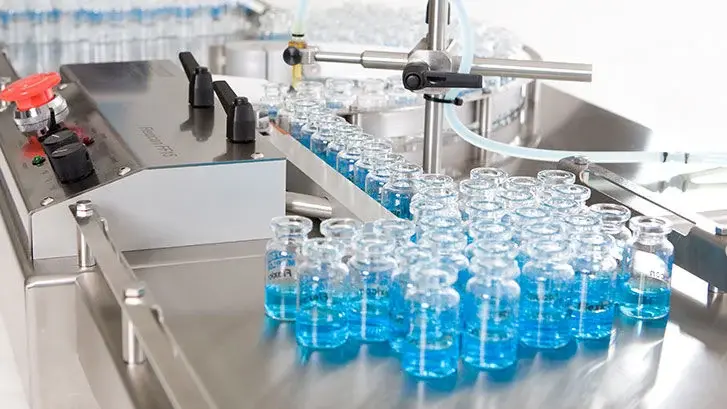
In any manufacturing operation, output is not defined by your strongest process, but by your weakest one. A single constraint can quietly limit throughput, increase costs, and create instability across the entire line.
Bottlenecks are not always obvious. They often hide behind symptoms—delays, rework, or inconsistent production—making them difficult to diagnose without a structured approach. This is why high-performing operations rely on proven frameworks to identify and manage them.
Understanding the Bottleneck
A bottleneck occurs when one stage in the process operates at a lower capacity than the rest, creating a restriction in flow. Over time, this leads to accumulation of work-in-progress, idle time in downstream stations, and pressure on specific parts of the operation.
What makes bottlenecks challenging is that many teams focus on fixing visible inefficiencies rather than identifying the true constraint. As a result, improvements are made—but overall performance barely changes.
A Structured Approach to Identification
The most effective way to uncover bottlenecks is to combine strategic frameworks with operational visibility.
The Theory of Constraints offers a disciplined way to think about system performance. Instead of optimizing every part of the process, it focuses attention on the single constraint that defines output. Once identified, the goal is to maximize its efficiency, align the rest of the operation around it, and only then consider expanding its capacity. This approach prevents wasted effort and ensures that improvements translate into measurable gains.
Process mapping complements this by making the invisible visible. When the entire production flow is mapped—from input to output—patterns begin to emerge. Delays between steps, uneven cycle times, and redundant actions become easier to spot. This clarity is often the first step toward meaningful optimization.
Data-driven analysis adds another layer of precision. By looking at metrics such as throughput, downtime, and overall equipment effectiveness, bottlenecks can be identified objectively rather than intuitively. This reduces guesswork and allows teams to prioritize actions based on real impact.
Schedule a Technical Assessment
Get a data-driven evaluation of your production line and pinpoint hidden bottlenecks in minutes.
Where Bottlenecks Commonly Appear
In precision processes like pad printing, constraints often emerge during setup, alignment, or ink consistency. Small variations can slow down production or create defects that require rework.
In liquid filling operations, bottlenecks tend to appear in dosing accuracy, speed inconsistencies, or changeover times. These issues not only affect throughput but also increase product waste and operational costs.
In both cases, the constraint is rarely isolated—it influences quality, efficiency, and profitability simultaneously.
From Identification to Improvement
Once a bottleneck is clearly identified, the next step is not to overhaul the entire system, but to focus on that specific point of constraint. Improvements should begin with measurement, followed by targeted adjustments and standardization.
As performance stabilizes, the operation can be reassessed to identify the next limiting factor. This continuous cycle of identification and improvement is what allows manufacturing systems to scale without losing control.
The Real Impact
Organizations that adopt a structured approach to bottleneck identification often experience a noticeable shift in performance. Throughput increases, downtime becomes more predictable, and processes gain consistency.
More importantly, decision-making improves. Instead of reacting to problems, teams begin to operate with clarity and intent.
Final Insight
Bottlenecks are not failures in the system—they are signals. They reveal exactly where attention is needed to unlock the next level of performance.
The difference between average and high-performing operations lies in the ability to recognize these signals early and respond with precision.
Schedule a Technical Assessment
Get a clear view of your production constraints and uncover opportunities to improve performance.

Let's talk about
your industry
We design tailored solutions to help you operate more efficiently, scale with confidence, and reduce risk.